Photos
Camp Vught Replica
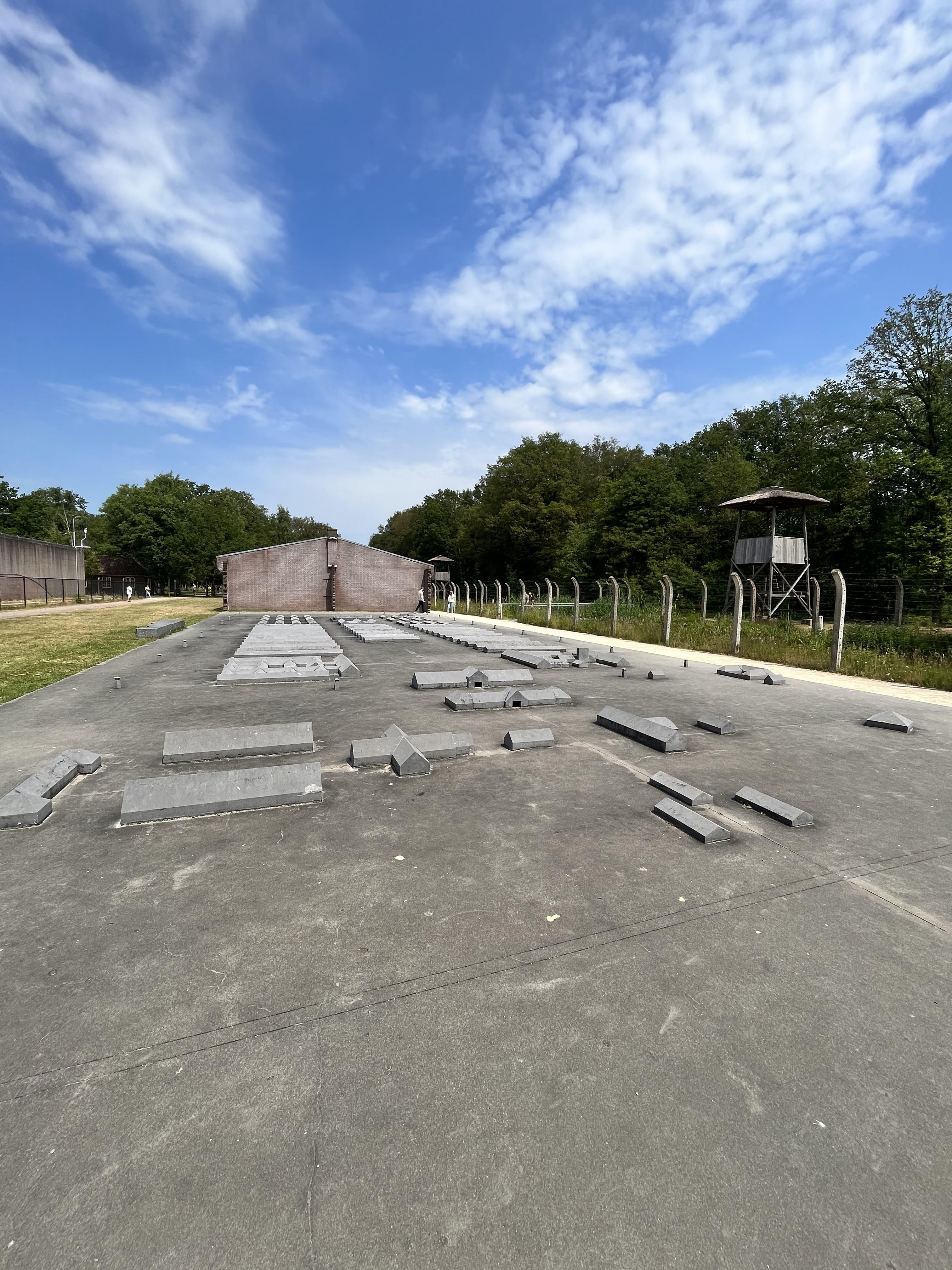
At the entrance of the lawn lies a replica of the entire camp. This model lies on top of a platform where prisoners would have roll calls. The prisoners would often be forced to bear through extreme weather conditions with just the thin clothes that they were provided.
Gaurd Tower
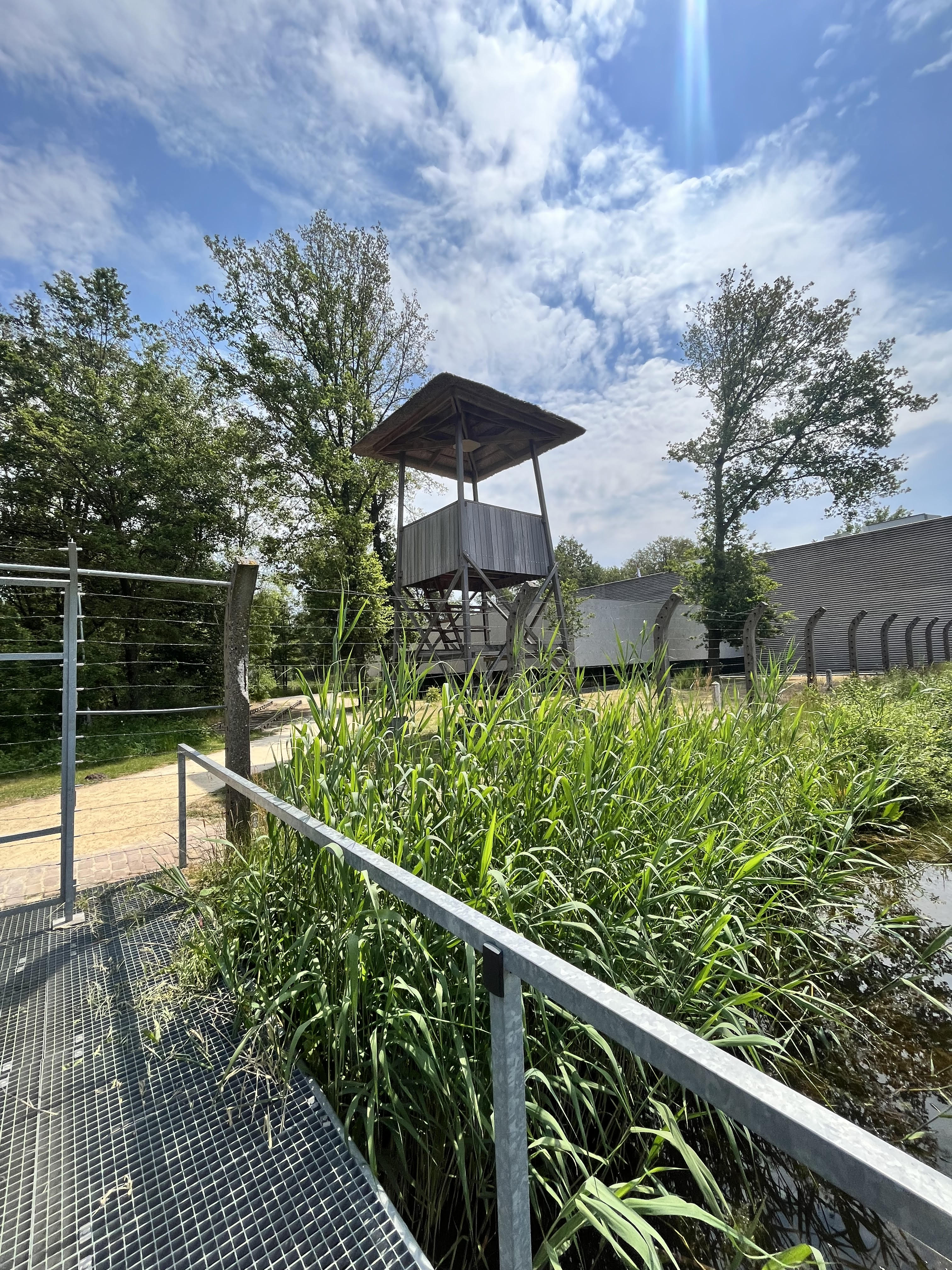
Gaurd towers were deployed throughout the camp to ensure that prisoners were inline and doing their duties.
Washroom
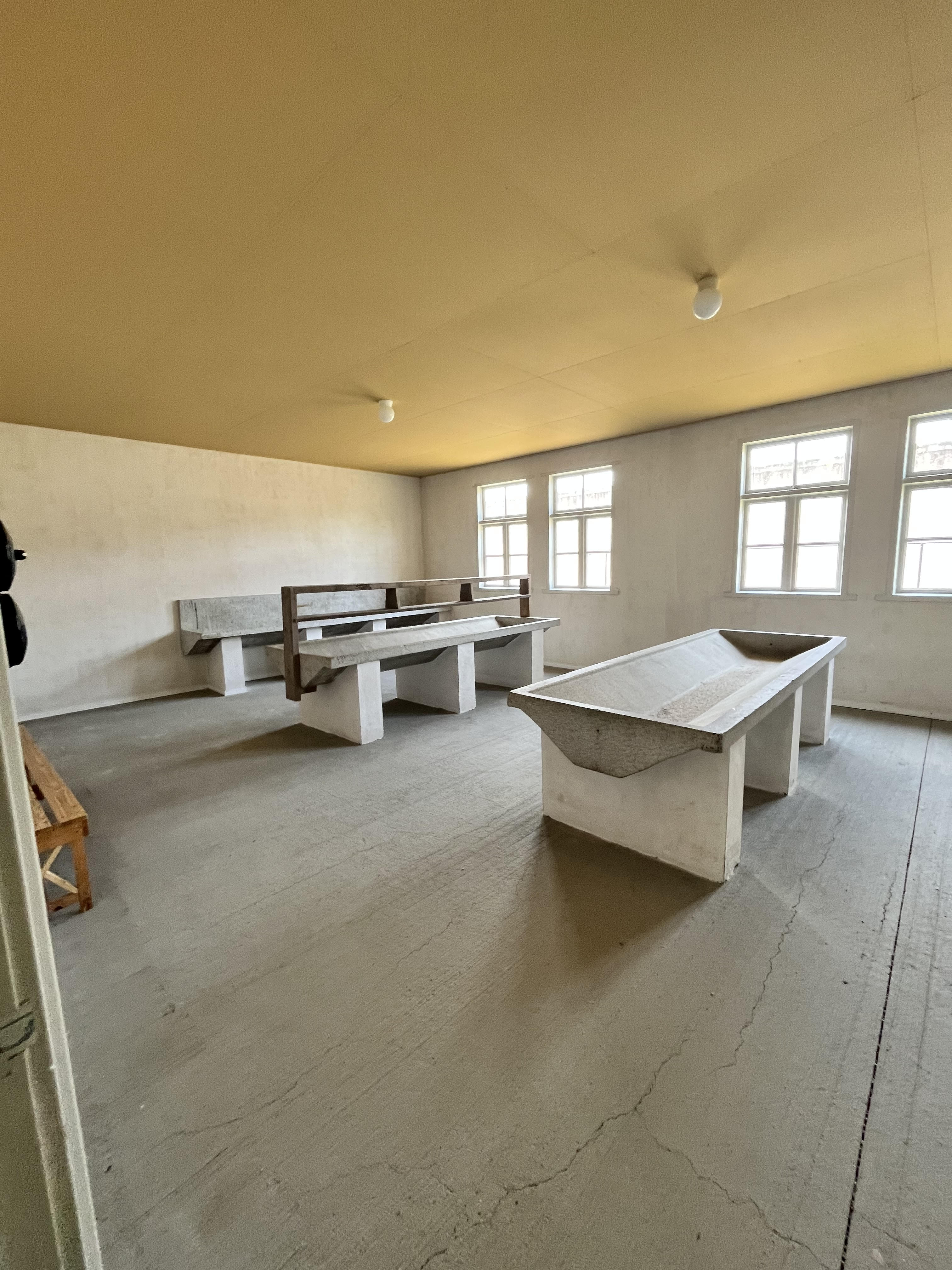
Entering one of the housing quarters, there is a washroom for prisoners to clean their clothes and do laundry.
Camp Clothes
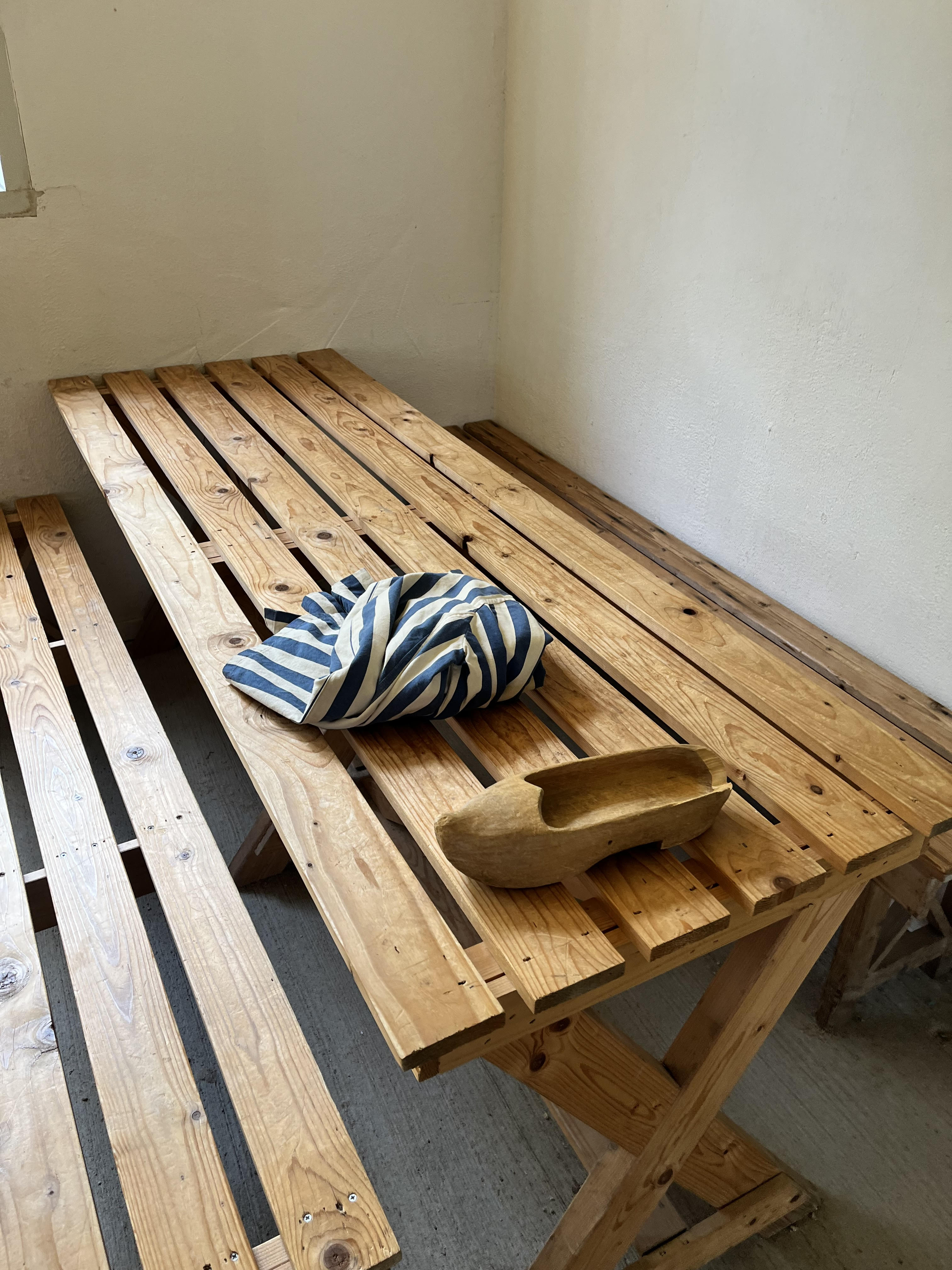
These are the clothes that all prisoners were required to wear at all times. By forcing prisoners to wear such bland-looking apparel, the Nazis were effectively dehumanizing their enemies. The Weaponization of Sexual Violence podcast describes this as one of the stages of genocide (symbolic manifestation).
Cafeteria
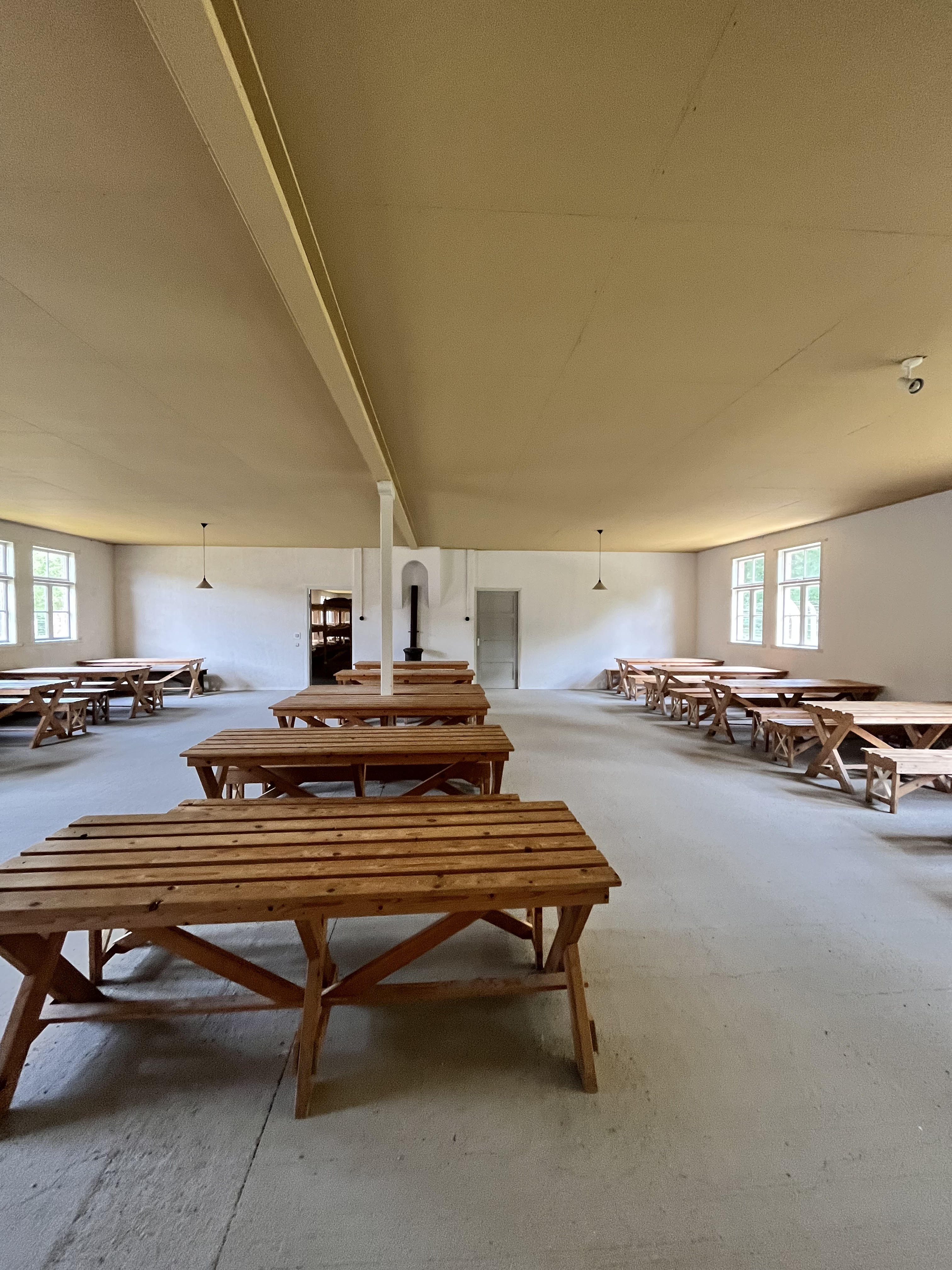
The cafeteria was just barely large enough to fit all of the prisoners. At each of the seating benches, six prisoners were expected to sit. Portions of food were hardly enough for anyone to survive (10 oz of bread for breakfast).
Sleeping Quarters
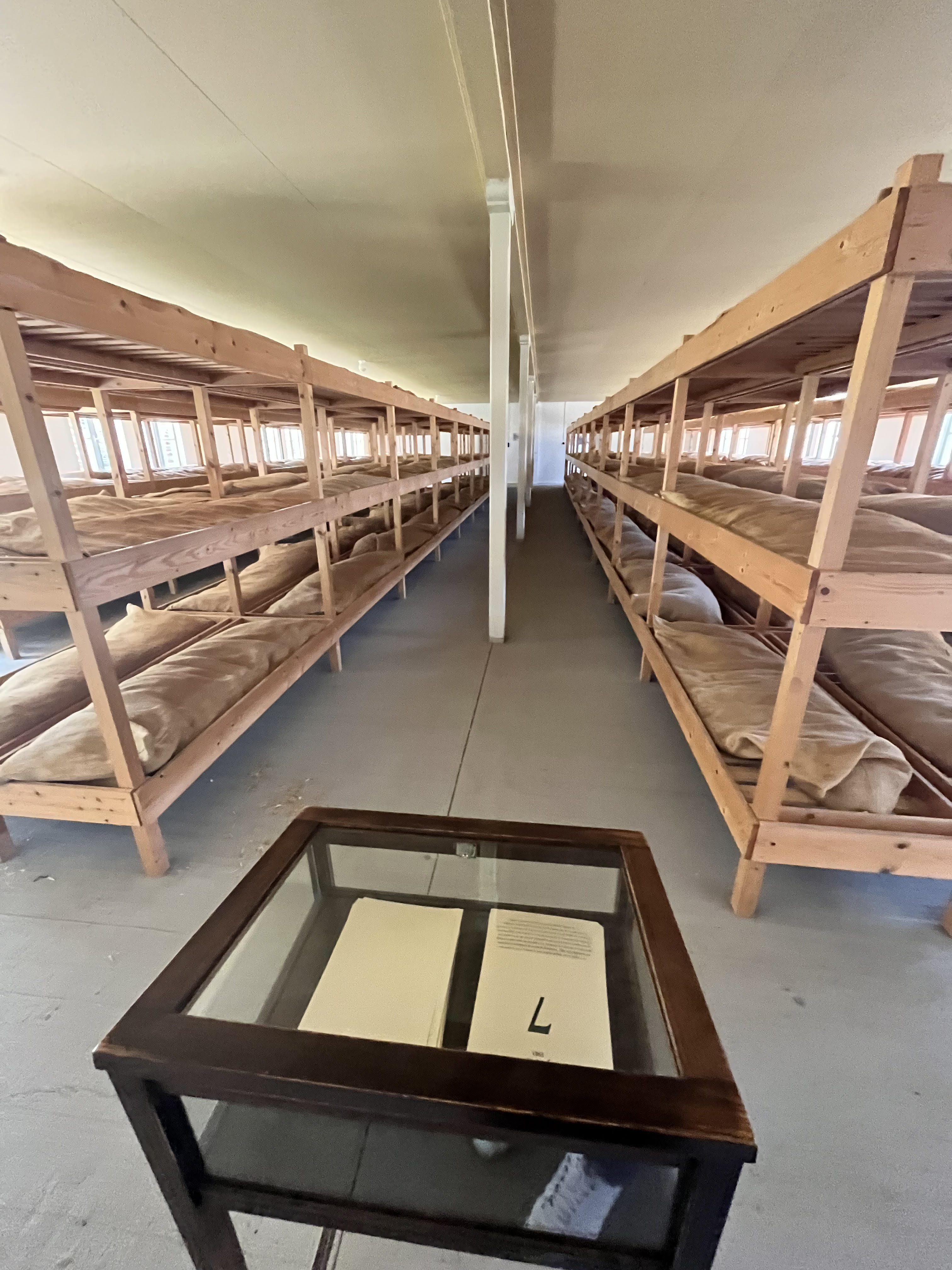
The beds that the inmates slept on were made out of straw. Stacked in rows of three, each bed was incredibly compact. According to the museum, the barracks lacked sanitation and were swarmed with rats, lice, and other vermin which fostered disease.
Disection Table
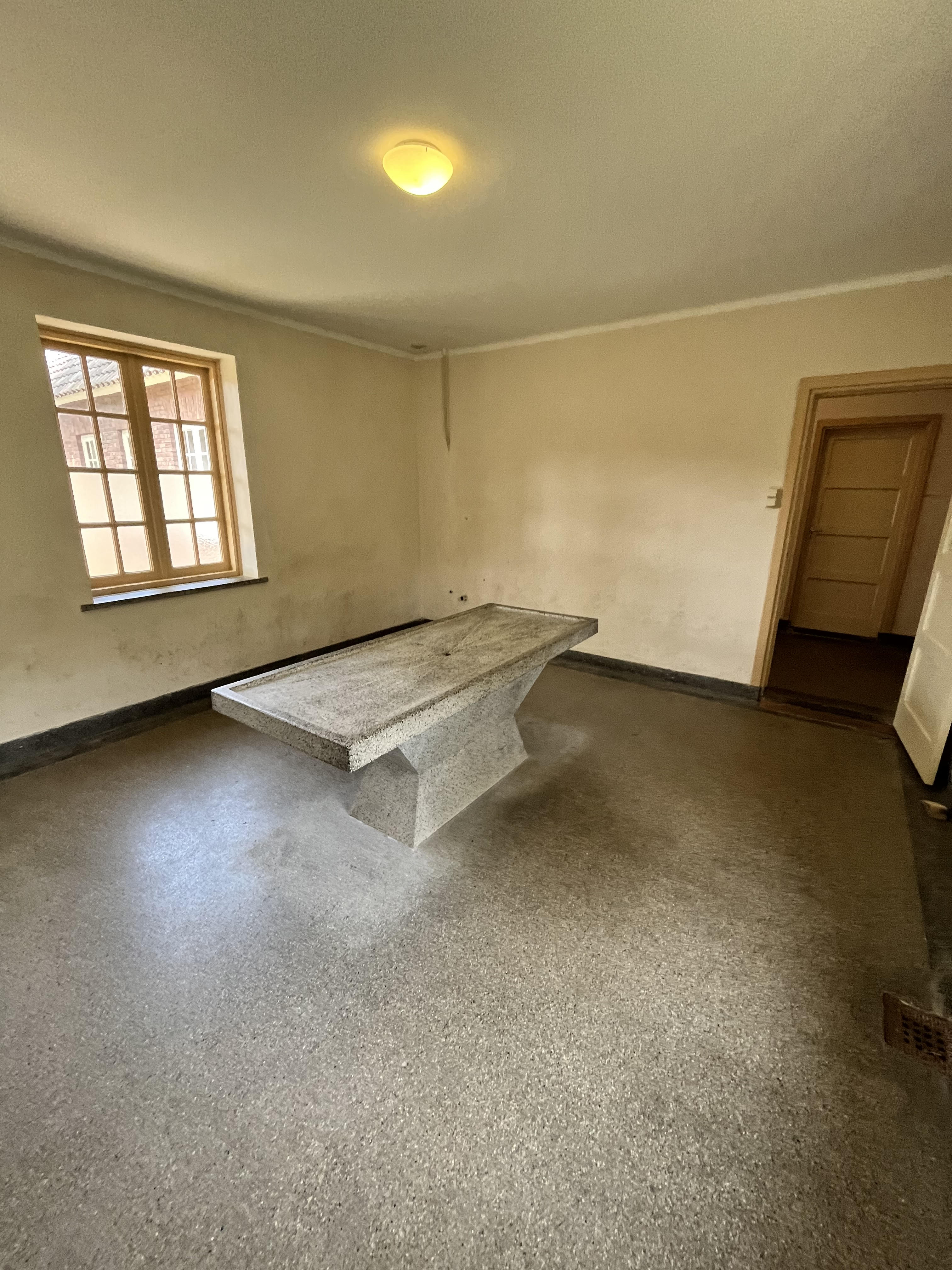
On this table, hundreds of corpses were dissected for German experiments. SS doctors removed organs from living people, bottled and stored them on shelves in this room.
Crematory
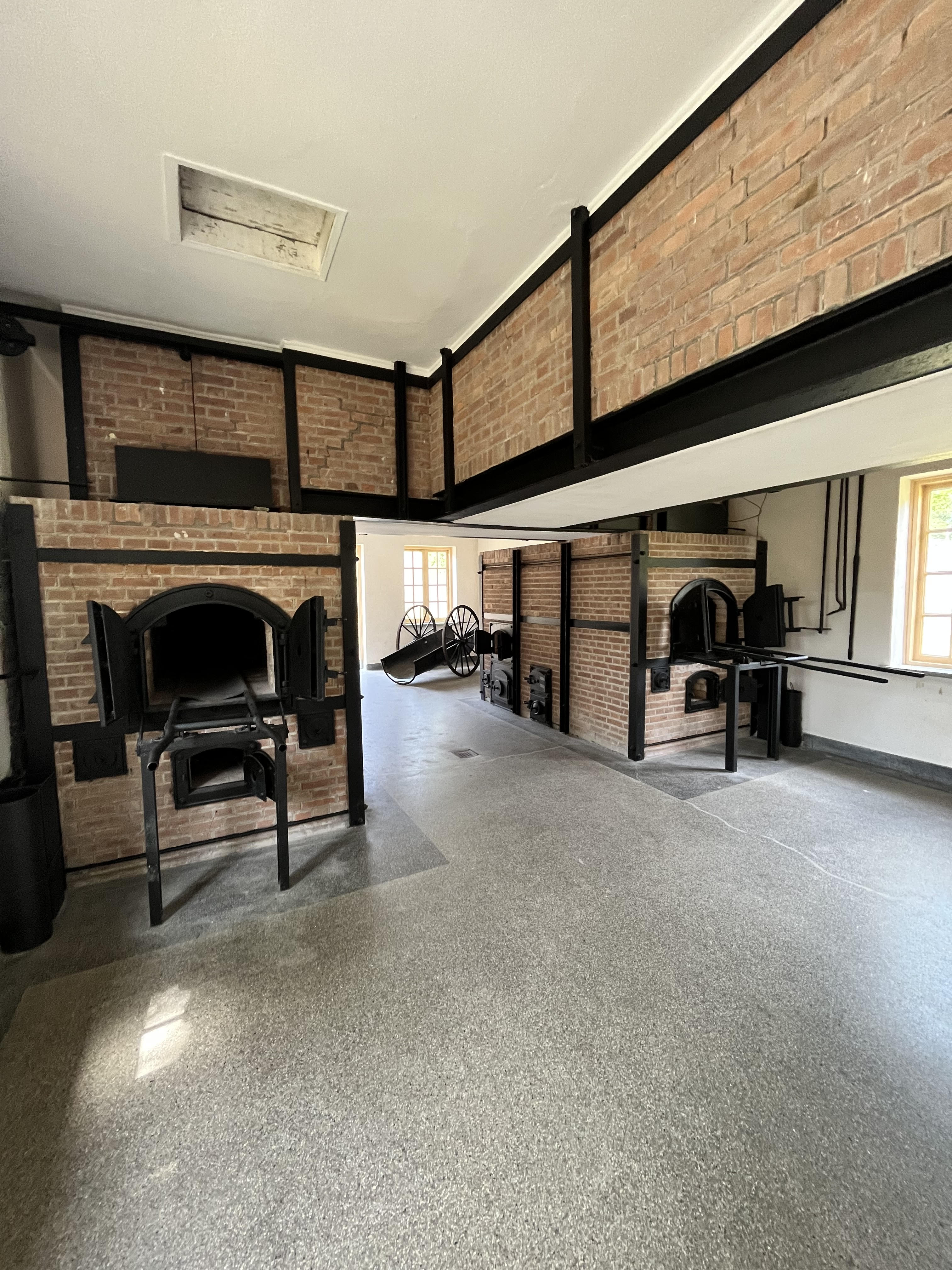
These furnaces were specially designed to burn human corpses. Large black carts carried these dead bodies into a furnace, where they were meant to disintegrate. Bones that did not burn completely were ground to powder with pestles and then dumped, along with the ashes.
Dumped Ashes
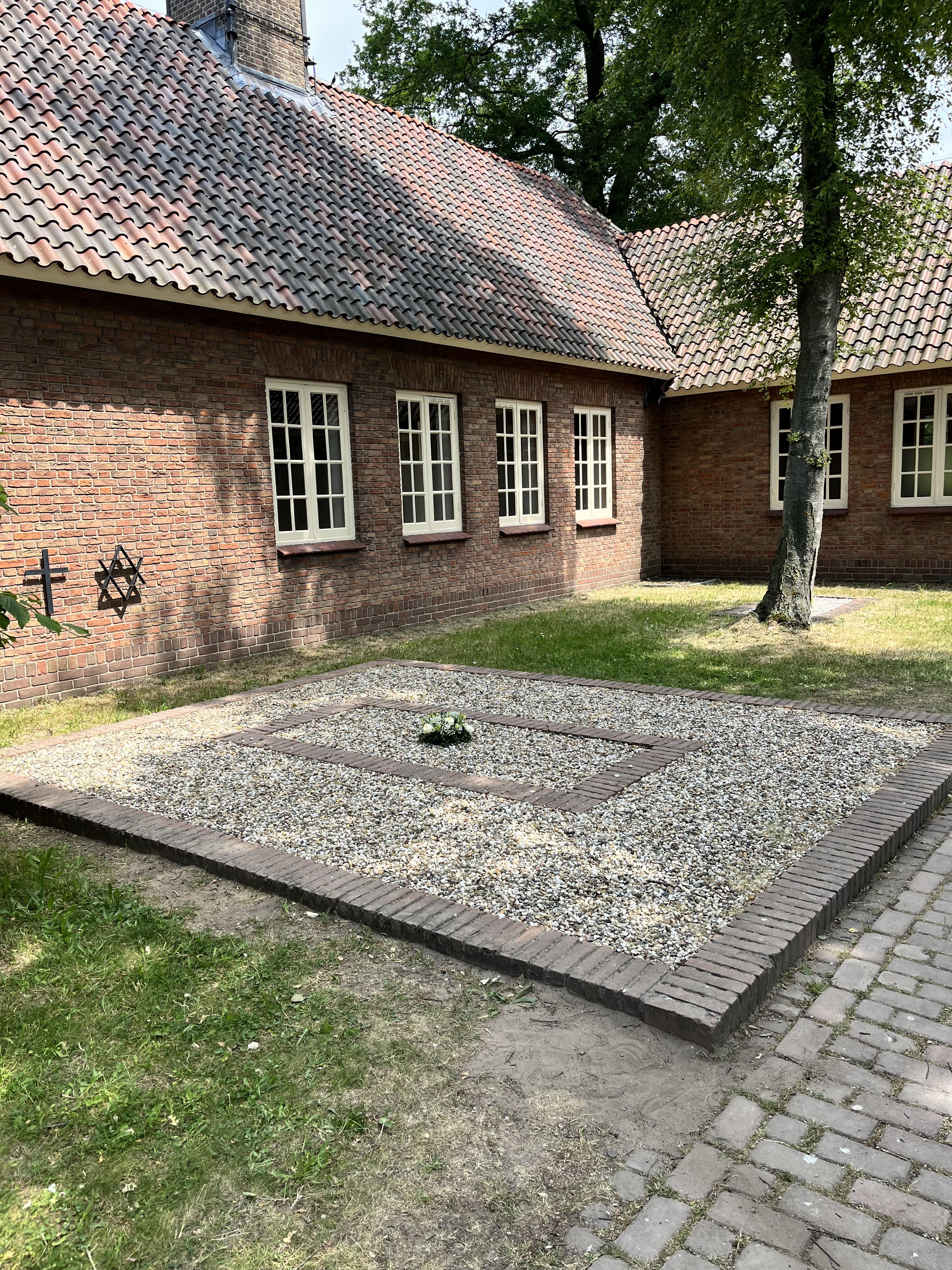
Under this gravel rectangle lies the powdery remains of cremated corpses. This space was once an area for dumping the ashes discussed in the previous photo. The star of David lies above this memorial to pay homage to the countless Jews that rest here.
Memorial for Children
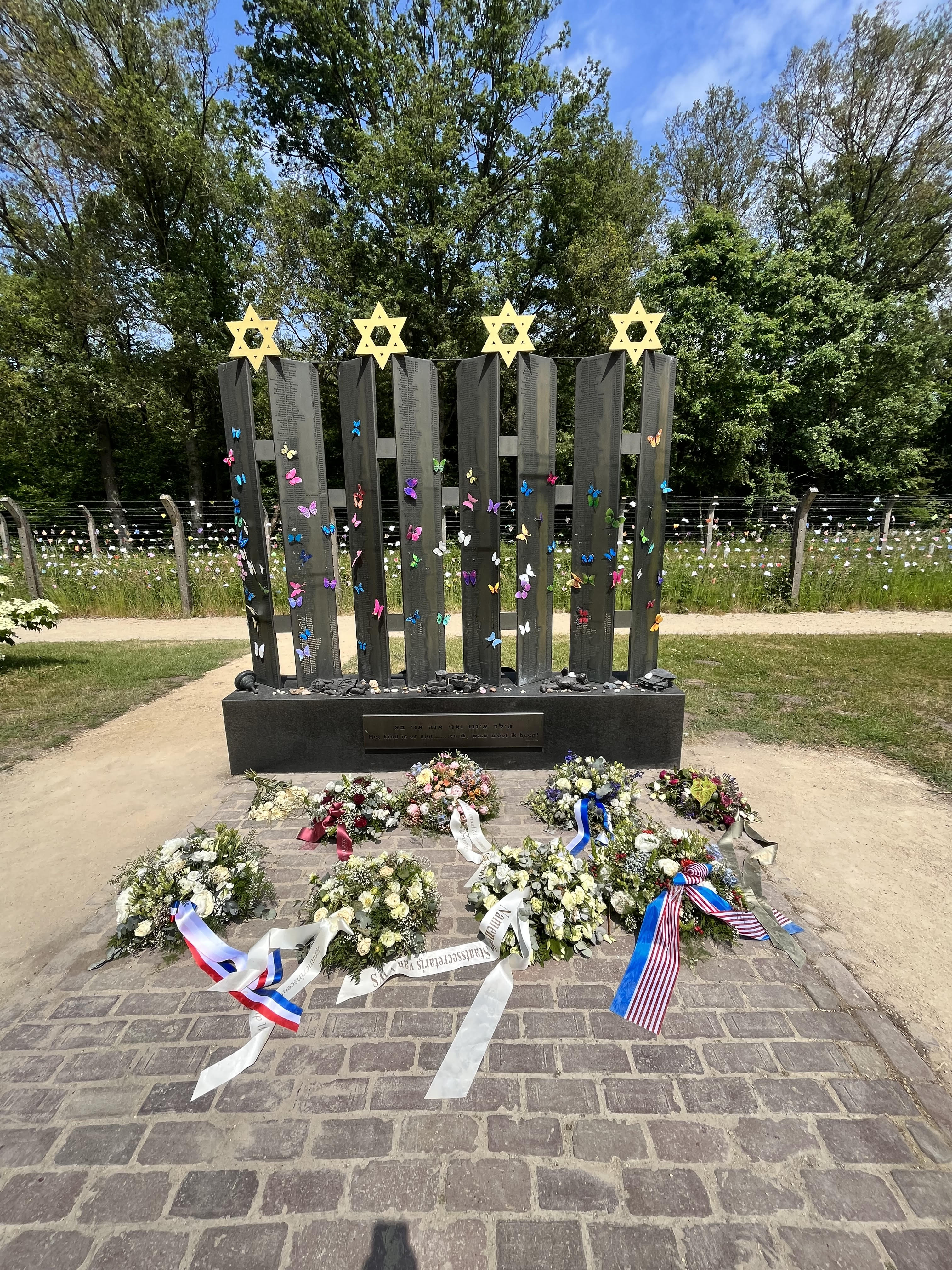
This memorial was created to honor all the children who passed away at Vught or were transferred to an extermination camp from Vught. Had this museum not existed, most of these victims would likely have been forgotten.
Conclusion
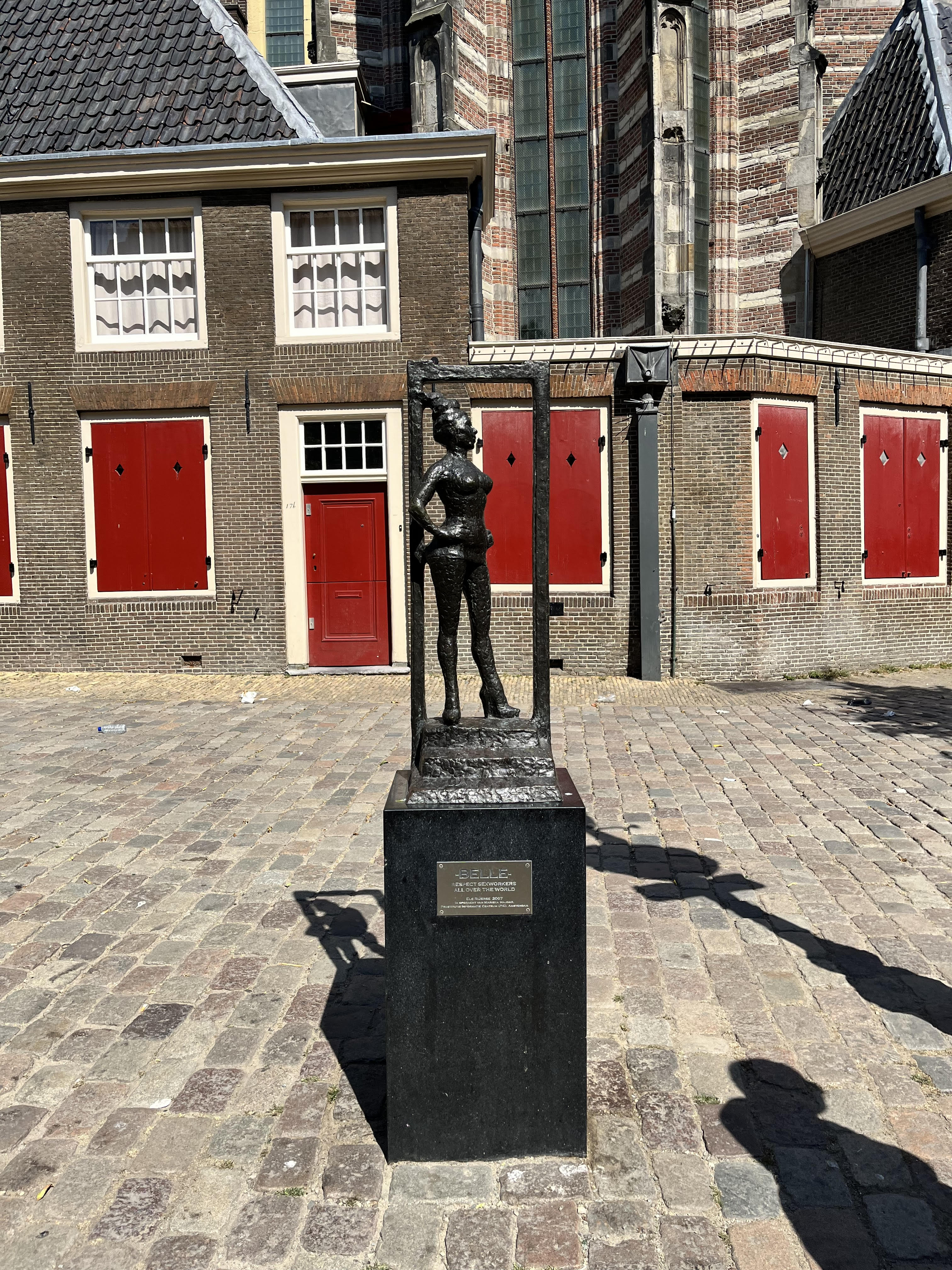
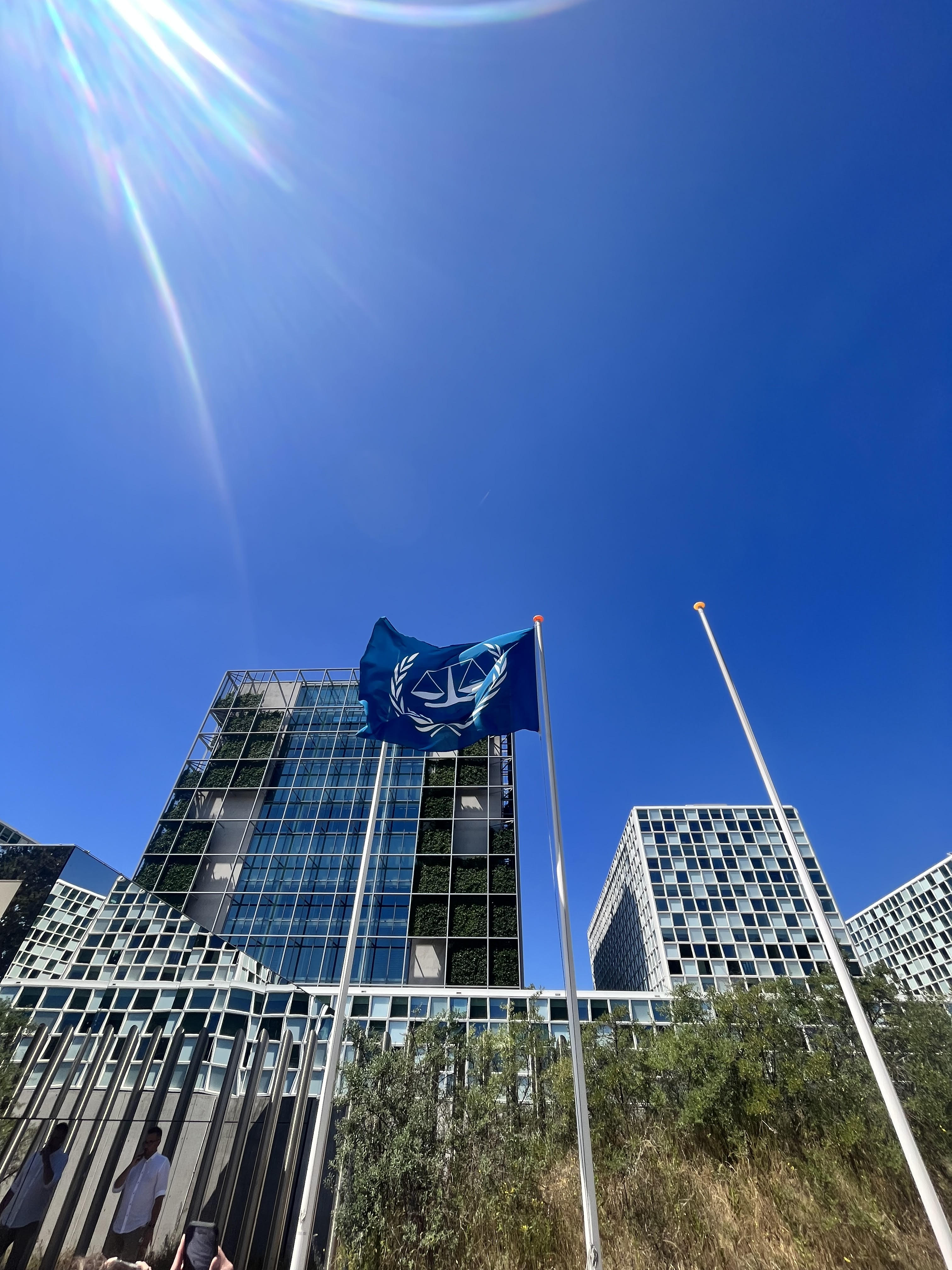
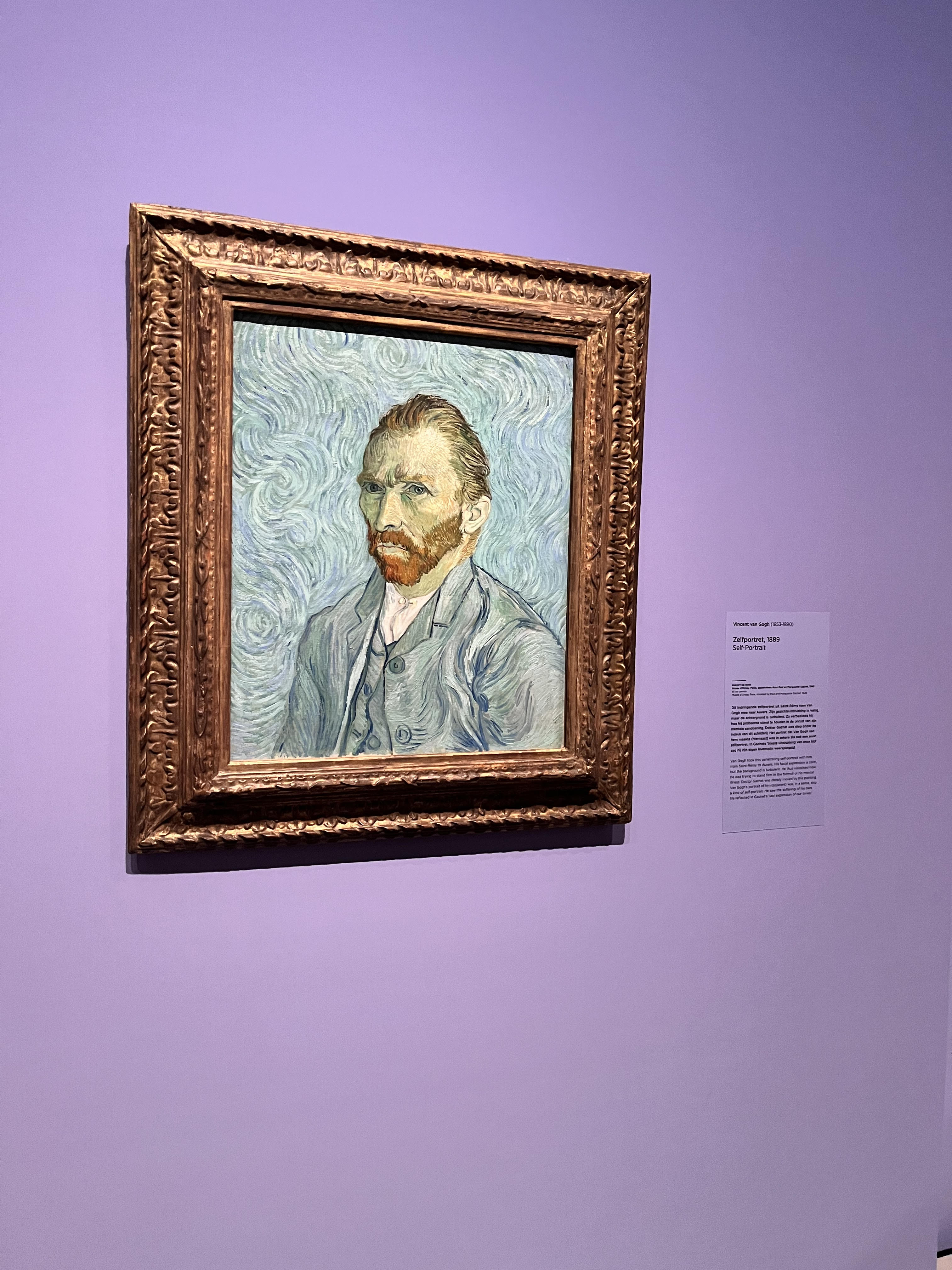
Relating to our theme of preventing censorship within history, it's important for us to remember
the past-- no matter how ugly it is. The Netherlands has become what it is today because its
people recognized that genocide and discrimination toward others was wrong. The events at Vught
relate to everything we've done in the classroom in countless ways. Genocide, human rights violations,
and unethical/unfair practices all occurred at this very location. Heinous incidents like this
inspired countries to band together to create an international court system such as the ICC to prevent
anything like it to ever be possible again (Gender Report Card on the ICC). It was only with hope and determination that survivors
of concentration camps persisted to continue living out their lives to retell their stories to the
masses and in hopes of preventing such atrocities from occurring again.
By examining the historical context of the Netherlands and exploring contemporary issues, we can obtain deeper understanding
of the challenges and successes this country faces in creating a more harmonious and inclusive society.